
Strategies to Scale Database

System Design - Dianna Yau

Snowflake System Design
This section is about communicating design: explaining what you built and why, and drawing the structure of a system so others can review it. The STAR method below gives a structure for describing past engineering work; the two child sections cover software design diagrams and Python-specific architecture diagrams.
The STAR method is a structured workflow used to clearly explain professional experience by breaking an answer into four logical parts: Situation, Task, Action, and Result.
Key question: What was happening?
Key question: What was I responsible for?
Key question: What did I do to solve the problem?
Key question: What was the outcome?
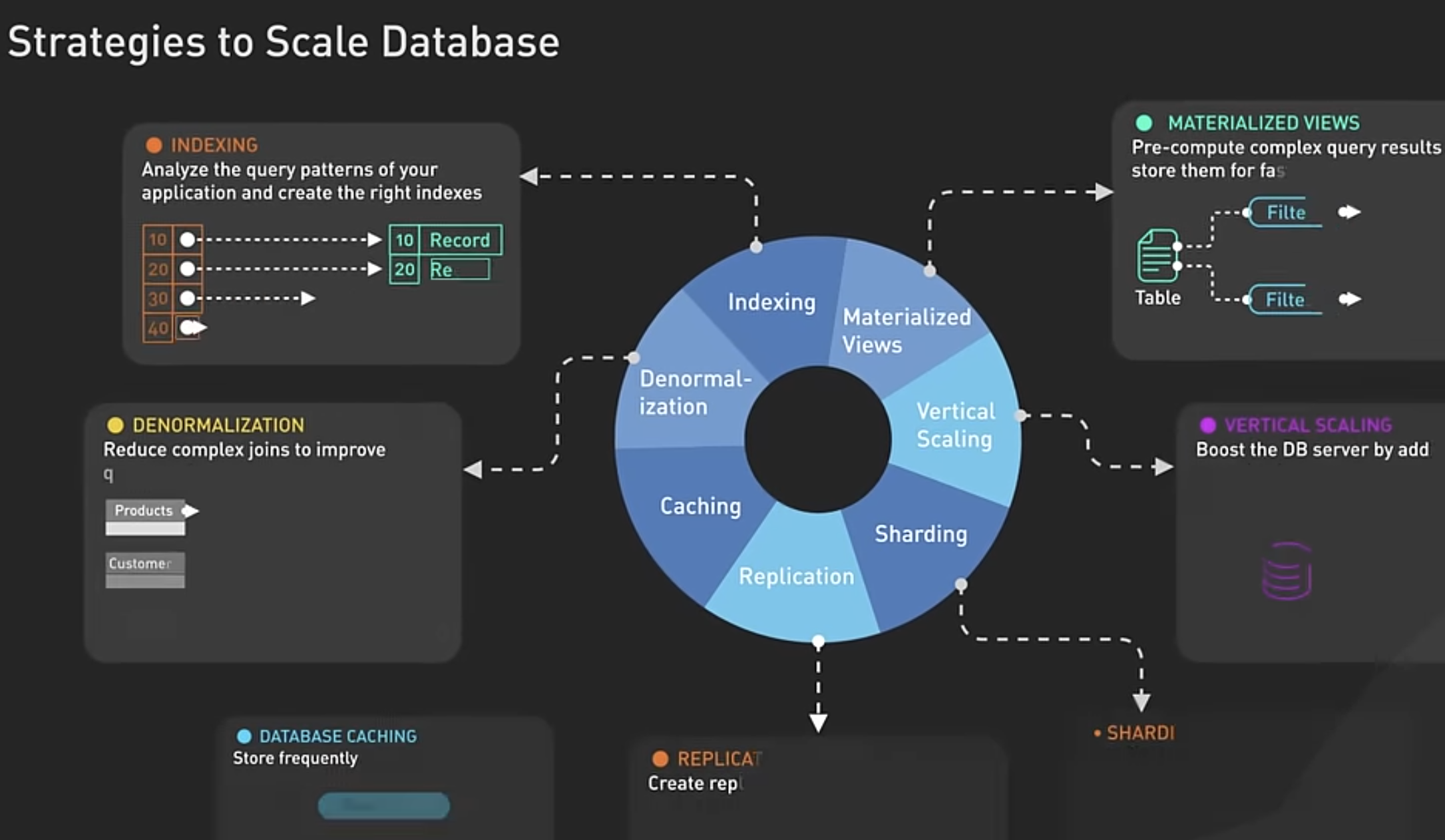
Strategies to Scale Database
System Design - Dianna Yau
Snowflake System Design
How systems get drawn before they get built — the diagrams, and what each one is for.
Reference architectures at scale: agent orchestration, self-hosted inference, and LLM evaluation platforms.
Context and data-flow diagrams, entity relationships, and schema design.
UML in the parts that earn their keep — class, sequence and activity diagrams.
Why Python is module-first, and the module, pipeline and schema diagrams that follow from it.
A STAR answer explains the story of a piece of work; diagrams explain the system itself. In a design review or interview, the two support each other: the situation and task set the requirements, a context or use-case diagram shows scope, class and sequence diagrams show the solution, and the result section reports measurable outcomes.
| Question | Diagram | Section |
|---|---|---|
| Who uses the system and for what? | Use case diagram | Software design |
| What are the main types and relationships? | Class diagram | Software design |
| In what order do components interact? | Sequence diagram | Software design |
| What is the workflow, including branches? | Activity diagram | Software design |
| How do modules depend on each other? | Module dependency diagram | Python design |
| How does data move through stages? | Pipeline diagram | Python design |
| What tables and columns exist? | Schema diagram | Python design |
Draw the fewest diagrams that answer the reviewer's questions, and keep each one at a single level of abstraction.